
XBLW Precision Rail‑to‑Rail Op‑Amp Chips LMV321A/358A/324A Series,Low‑Offset‑Voltage Precision Operational Amplifiers
In portable equipment, sensor interfaces and battery‑powered systems, operational amplifiers are required not only for high precision, but also for a balanced trade‑off among bandwidth, power consumption and cost. XBLW’s LMV321A (single‑channel), LMV358A (dual‑channel) and LMV324A (quad‑channel) series of precision CMOS operational amplifiers deliver 1‑MHz bandwidth, rail‑to‑rail input‑output and micro‑ampere‑level power consumption, providing cost‑effective solutions for consumer electronics and industrial control applications.
Product Overview
XBLW LMV321A/358A/324A is a series of precision low‑power operational amplifiers released by XBLW. The series features 1‑MHz gain‑bandwidth product, 0.8 V/µs slew rate, with quiescent current as low as 80 µA per channel. It operates over a wide supply‑voltage range of 2.3 V to 5.5 V. Its maximum input offset voltage is only 4.5 mV. Supporting rail‑to‑rail input and output, the chips work stably across the industrial‑grade temperature range of ‑40 °C to +125 °C. They are suitable for high‑impedance‑source signal conditioning, battery‑powered equipment and various sensor‑interface applications.
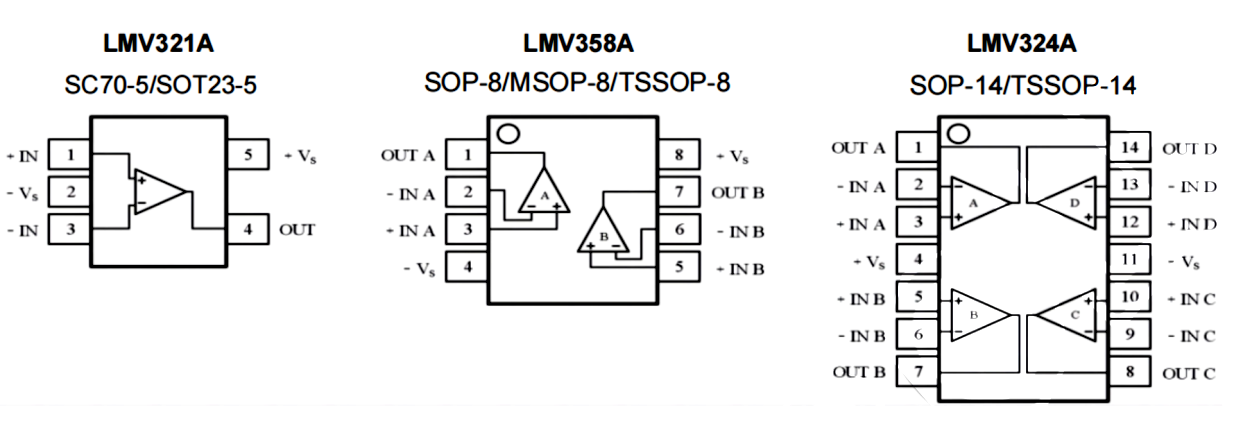
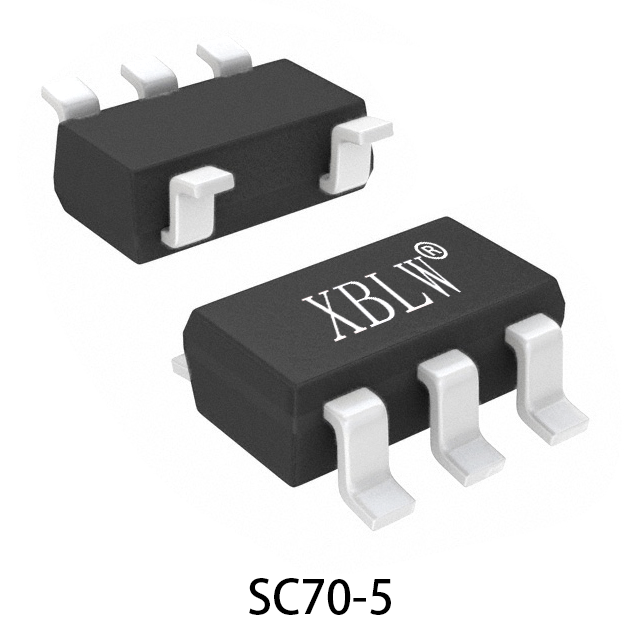
Multiple package options are available: LMV321A supports SOT23‑5 and SC70‑5; LMV358A comes in SOP8, MSOP8 and TSSOP8; LMV324A is offered in SOP14 and TSSOP14 packages, facilitating system integration for different space‑constrained designs.
Design Advantages
l General‑purpose performance & low cost: 1‑MHz bandwidth and 0.8 V/µs slew rate satisfy most medium‑and‑low‑speed signal‑conditioning requirements. With significant cost optimization, the devices are well‑suited for consumer‑grade and high‑volume industrial applications.
l Rail‑to‑rail input and output: Input‑output range reaches the power‑supply rails, which greatly extends dynamic‑signal range and simplifies handling of full‑swing signals, especially in single‑supply systems.
l Low‑power operation: Quiescent current per channel is only 80 µA. It can effectively prolong battery‑powered‑device runtime, making it ideal for portable instruments and IoT sensor nodes.
l Excellent DC performance: Maximum input offset voltage of 4.5 mV, unity‑gain stable, with built‑in EMI‑rejection function.Improved system anti‑interference capability.
l Industrial‑grade temperature range: Operating temperature from ‑40 °C to +125 °C, supporting harsh‑environment conditions and guaranteeing equipment reliability under severe operating conditions.
Application Scenarios
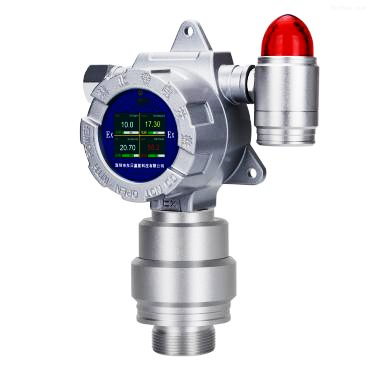
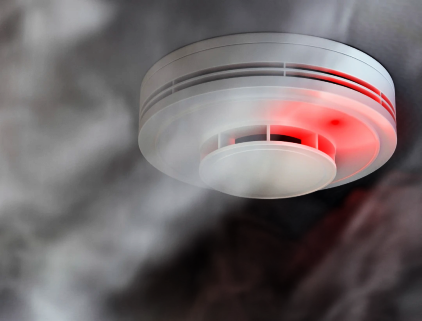
l Sensor‑signal conditioning: Used as buffer‑and‑amplifier circuits for high‑output‑impedance sensors such as gas sensors, smoke sensors and temperature sensors. Its pA‑level input‑bias current helps reduce measurement errors.
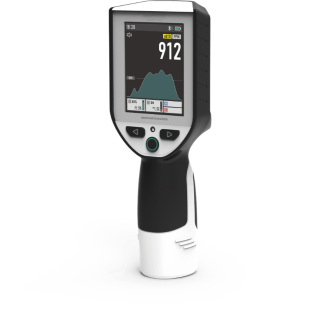
l Battery‑powered equipment: Thanks to low quiescent current and wide supply‑voltage range, these chips are widely deployed in battery‑operated systems such as handheld meters and wireless‑sensor nodes, which can significantly extend device battery life.
l Active filters & audio output: 1‑MHz bandwidth supports mid‑to‑low‑frequency active‑filter design, and can be applied for audio‑signal buffering and output driving.
l Current‑sensing & power‑supply control: Build low‑cost current‑sense circuits for power management, motor control, battery charge‑discharge monitoring and other systems.
Typical Application Circuits
l Differential Amplifier Circuit
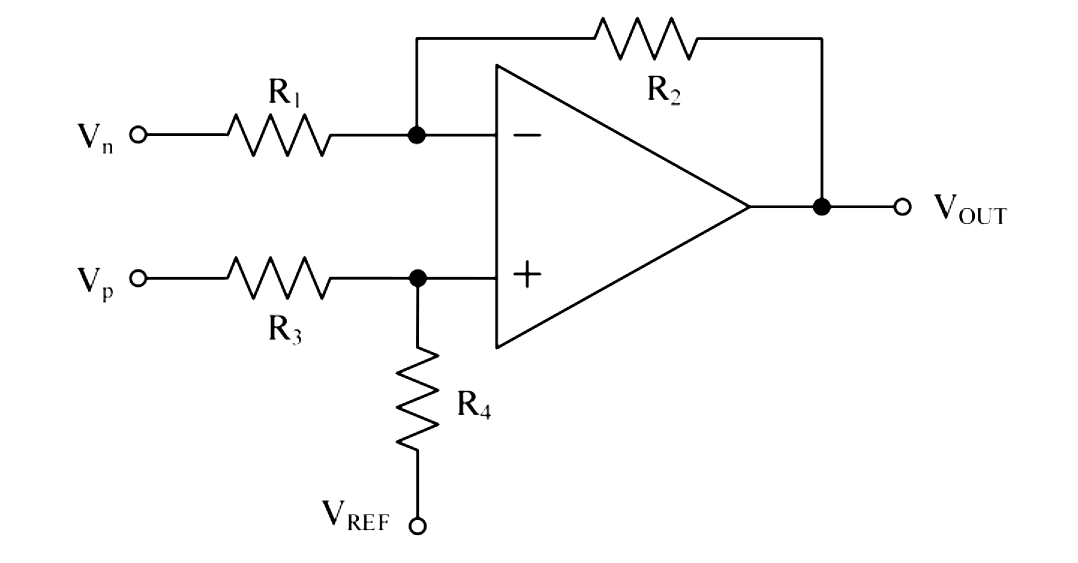
The figure shows a differential‑signal amplifier circuit. When resistor ratios match R/R1=R/R2, VOUT=(V1‑V2)×R/R1+VREF.
l Instrumentation‑Amplifier Circuit

XBLW LMV321A/358A/324A series are well‑suited for sensor‑signal conditioning within battery‑powered applications. A two‑op‑amp instrumentation‑amplifier topology can be used for bridge‑type sensors (such as pressure sensors and load‑cell weight sensors) for differential‑signal amplification. It delivers high common‑mode‑rejection ratio (CMRR) and adapts to noisy industrial‑field environments.
Summary
With 1‑MHz bandwidth, rail‑to‑rail I/O, low‑power consumption and industrial‑grade temperature‑range capability, XBLW LMV321A/358A/324A operational‑amplifier series are an ideal option for general‑purpose signal‑conditioning applications. Its balanced performance and high cost‑effectiveness make it especially suitable for battery‑powered devices, sensor interfaces, consumer‑electronics and industrial‑control systems. It helps design engineers achieve optimal trade‑offs between cost and performance and improve overall‑system competitiveness.
Recommend News


Follow Us


-
Phone
400-9682 003