
【Application】XBLW PCF8563: 0.25µA Low‑Power Real‑Time Clock Solution
In embedded systems requiring precise time‑keeping and calendar functions, Real‑Time Clock (RTC) chips are essential core components. XBLW PCF8563 is an ultra‑low‑power real‑time clock / calendar chip with I²C interface. Featuring high accuracy, small package size and strong anti‑interference capability, it is widely used in portable devices, smart electricity meters, IoT terminals and other scenarios.
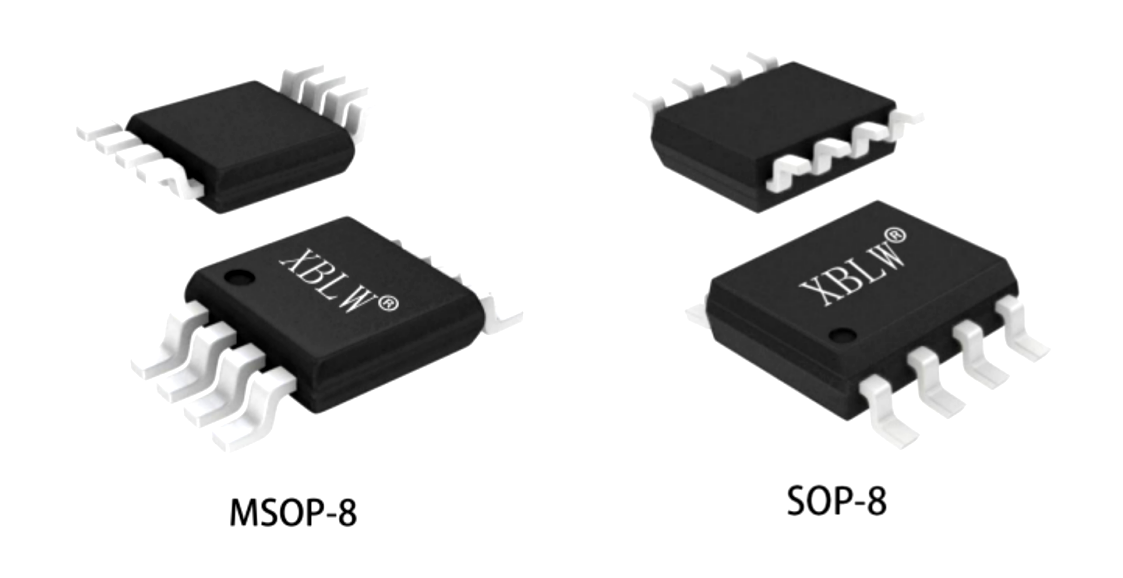
1. Product Overview
PCF8563 is a CMOS real‑time clock / calendar chip with built‑in 32.768 kHz crystal oscillator. It integrates clock‑output, timer, alarm and power‑fail detection functions. It communicates via the I²C‑bus interface supporting up to 400 kHz data rate with auto‑increment address, which greatly simplifies MCU control logic.
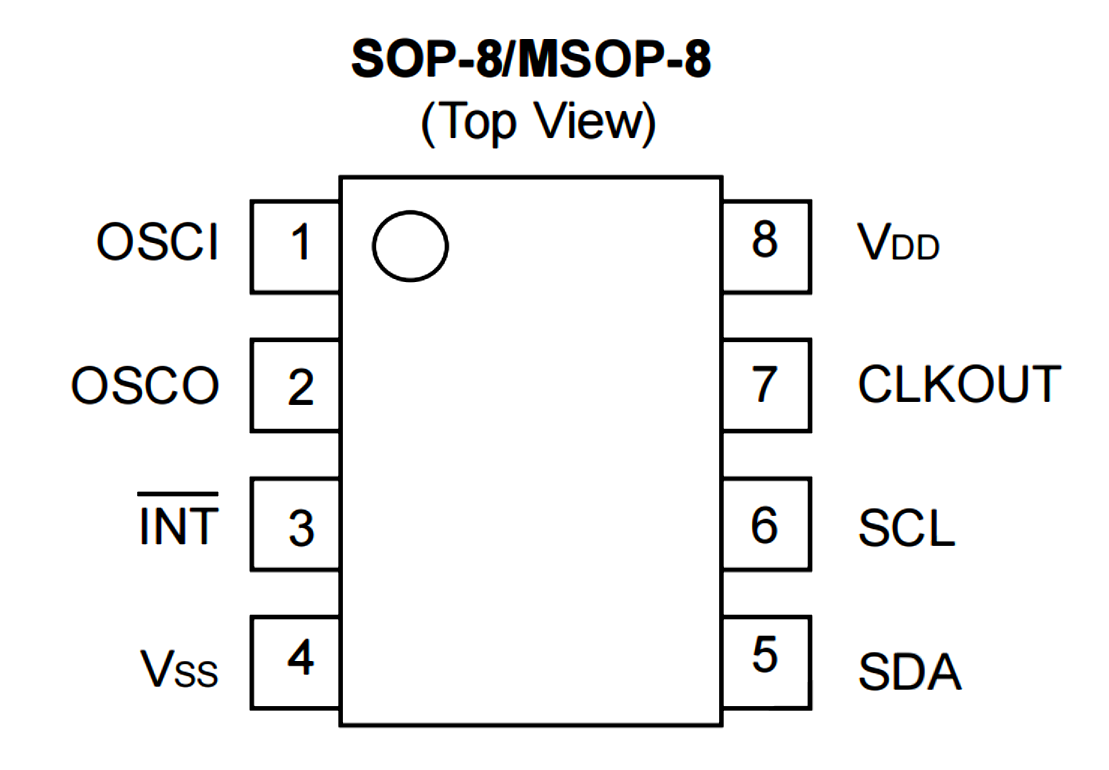
Key Features Summary:
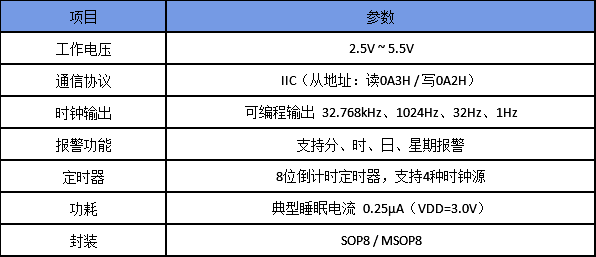
2. Core Advantages
l Ultra‑Low Power: sleep‑mode current down to 0.25µA, ideal for battery‑powered devices.
l Wide Operating Voltage: 2.5V~5.5V, compatible with 3.3V and 5V systems.
l High Integration: built‑in oscillator capacitors, power‑fail detection, clock‑output and other functions.
l Standard I²C Interface: only two signal lines SCL, SDA to save MCU I/O resources.
l Flexible Alarm & Timer: supports multiple alarm modes and programmable timer.
l Small‑Form‑Factor Packages: SOP8 and MSOP8 for space‑constrained designs.
3. Typical Application Scenarios
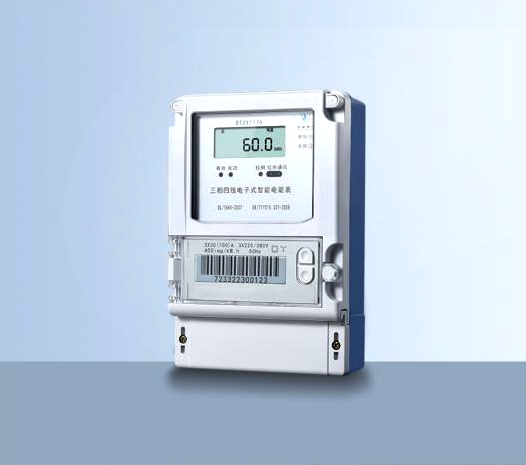
Smart Electricity Meters
In smart meters, the PCF8563 RTC chip provides a precise time reference for time‑of‑use billing and reliable peak‑valley tariff switching. It drives the meter to automatically log power‑consumption data for settlement and analysis. Its ultra‑low power reduces time‑keeping power dissipation and acts as a key component enabling accurate metering and data management.
Portable Medical Devices
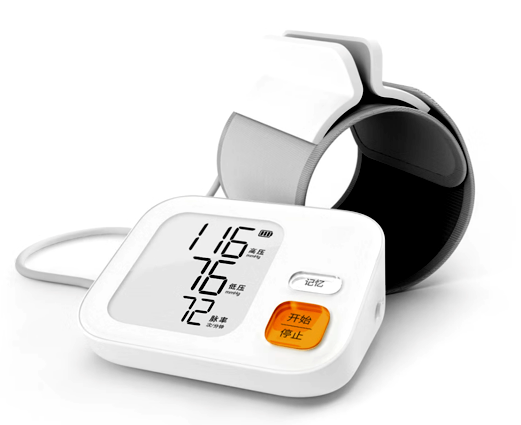
In portable medical equipment, the PCF8563 RTC chip delivers accurate time‑stamps for measurement data such as blood‑glucose and blood‑pressure readings, guaranteeing traceability and compliance of medical records. Its ultra‑low‑power consumption maintains continuous time‑keeping under battery supply, while the timed‑alarm function supports medication reminders and scheduled measurements. It is a critical IC enabling digital and intelligent device operation.
Facsimile Machines
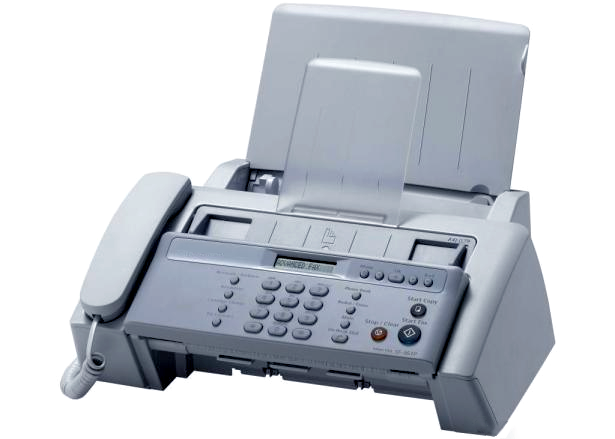
In fax machines, the PCF8563 RTC provides accurate time‑stamps. Leveraging its timed‑alarm and low‑power features, it implements scheduled automatic transmission and reduces operating power dissipation, greatly improving equipment automation level, compliance and user experience.
4. Typical Application‑Circuit Design Guidelines

Basic Wiring Description:
VDD: Connect to 2.5V~5.5V power supply
GND: Connect to ground
SCL: Connect to MCU I²C clock line (pull‑up resistor required)
SDA: Connect to MCU I²C data line (pull‑up resistor required)
OSCI / OSCO: Connect to 32.768 kHz crystal
CLKOUT: Clock‑signal output for system synchronization
INT: Interrupt output, triggered by alarm or timer events
> Design Tips:
> A 10pF crystal load‑capacitor is recommended; together with internal capacitance it achieves accurate time‑keeping.
> If using interrupt function, add a pull‑up resistor on the INT pin.
> To improve noise immunity, series‑connect 100Ω resistors on SCL / SDA lines.
5. Summary
XBLW PCF8563, with its low‑power consumption, high precision, rich expandable features and standardized I²C interface, is an ideal choice for RTC designs in embedded systems. For power‑sensitive portable devices and industrial‑control systems with strict time‑recording requirements, PCF8563 delivers stable and reliable time reference plus flexible interrupt‑control capability.
Recommend News

Follow Us


-
Phone
400-9682 003